
Last updated September 20, 2026
Free on-site gate assessment - hinges, posts, and your LiftMaster or Nice gate operator checked before anything is quoted
The assessment is free and the quote is the invoice.

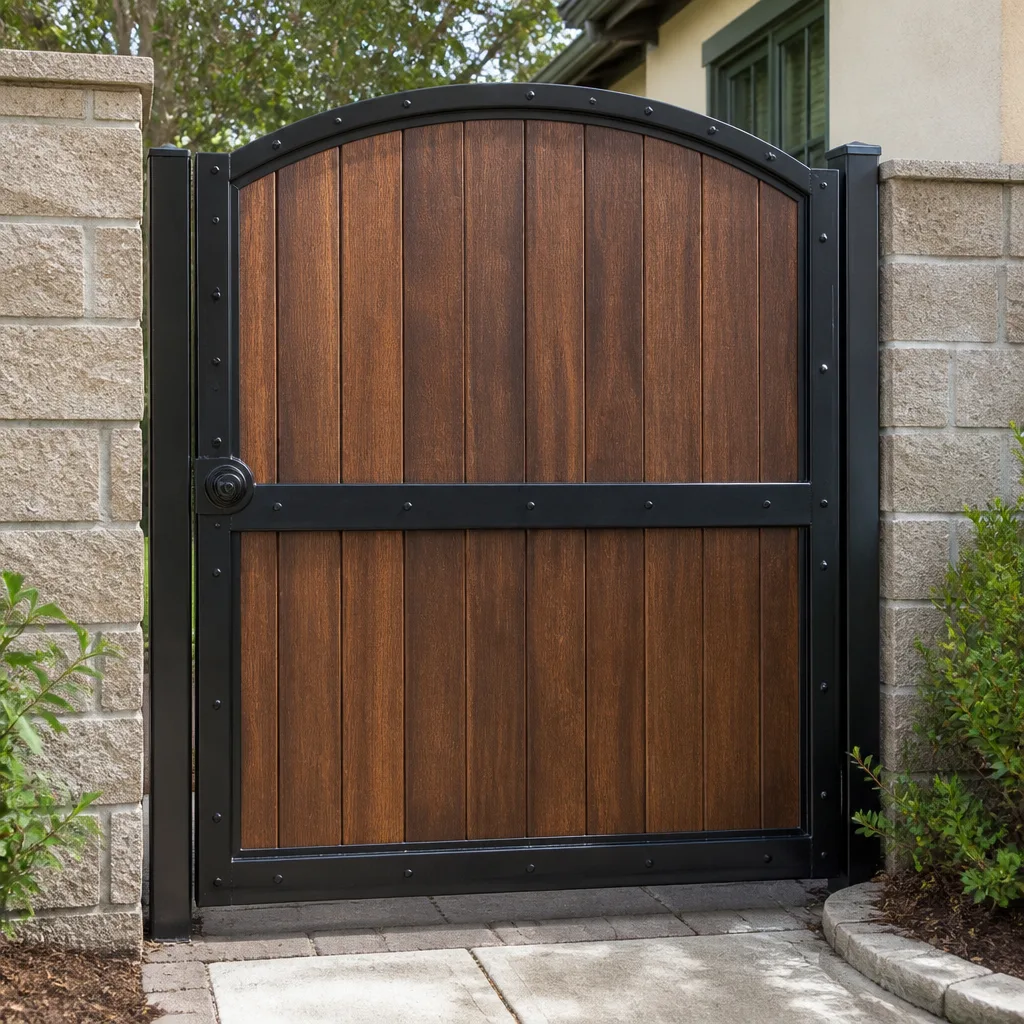
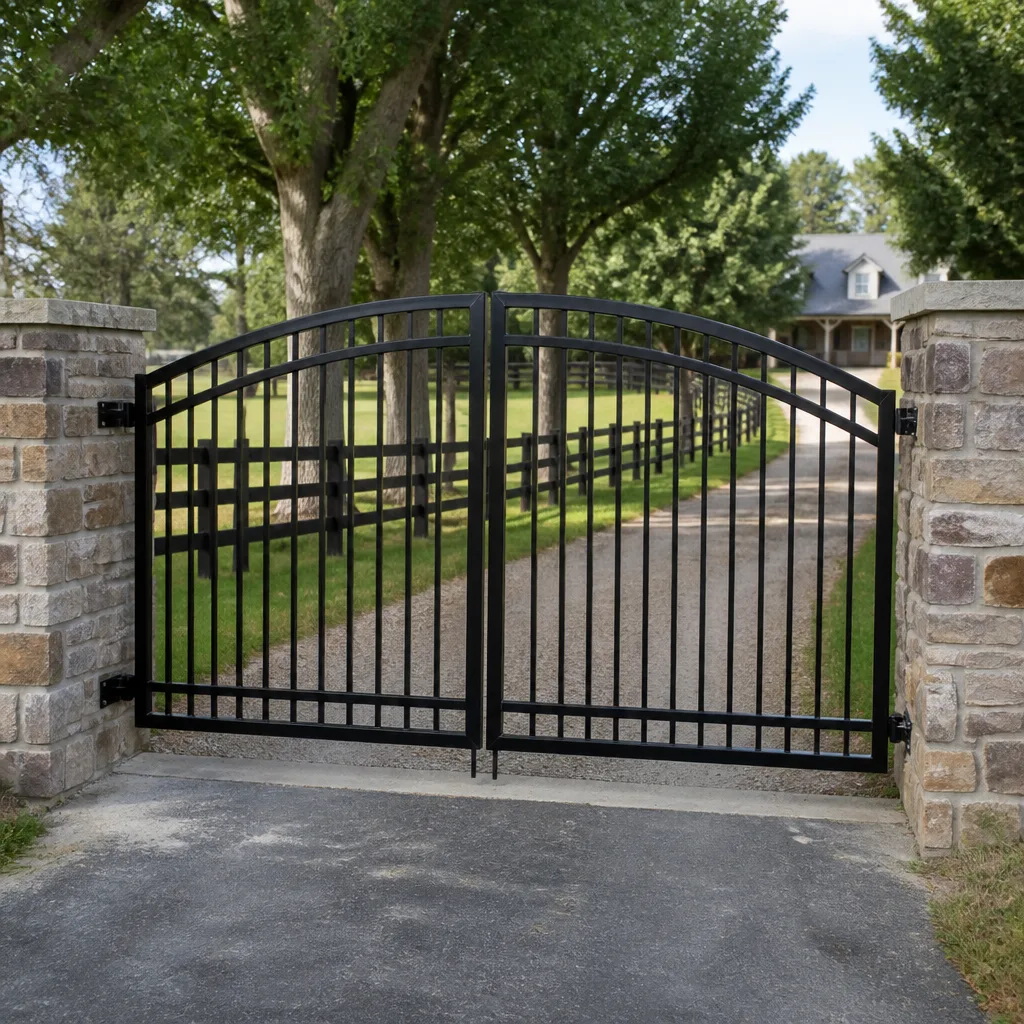
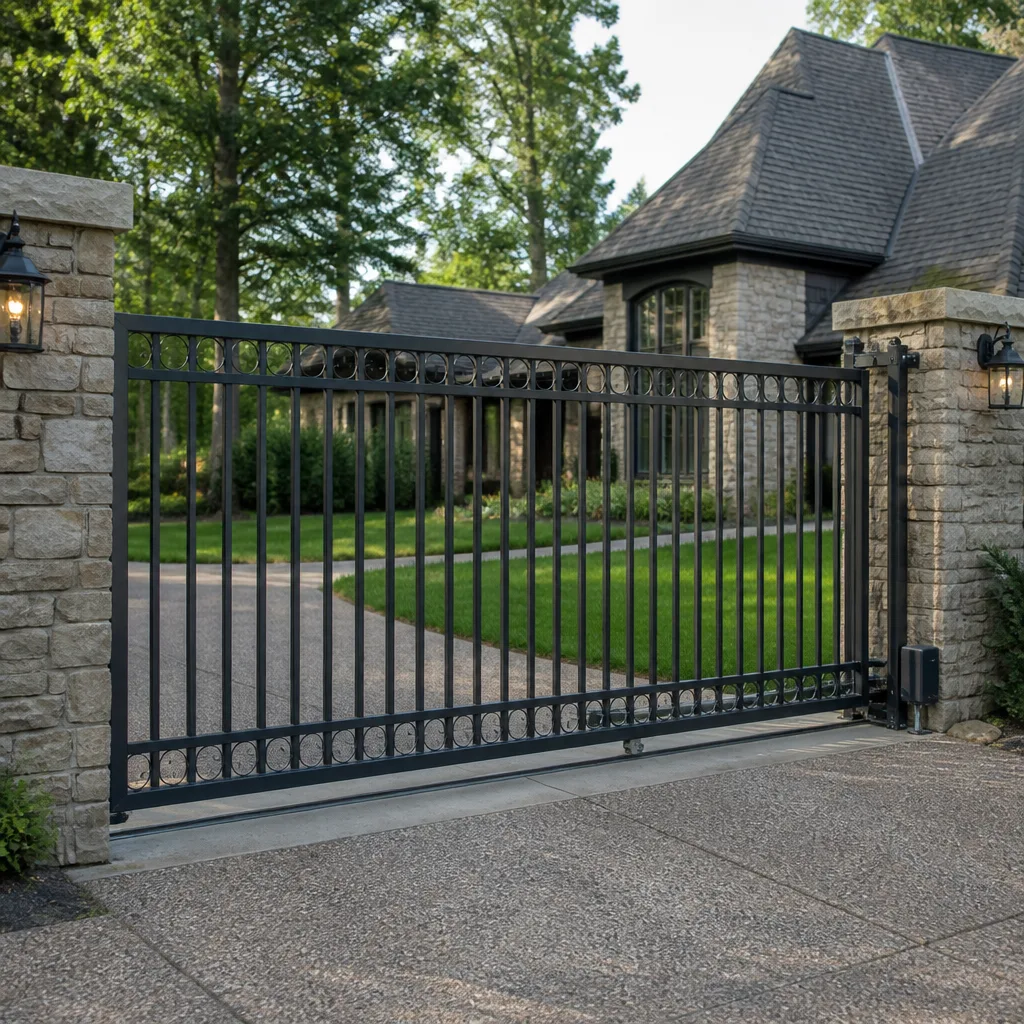
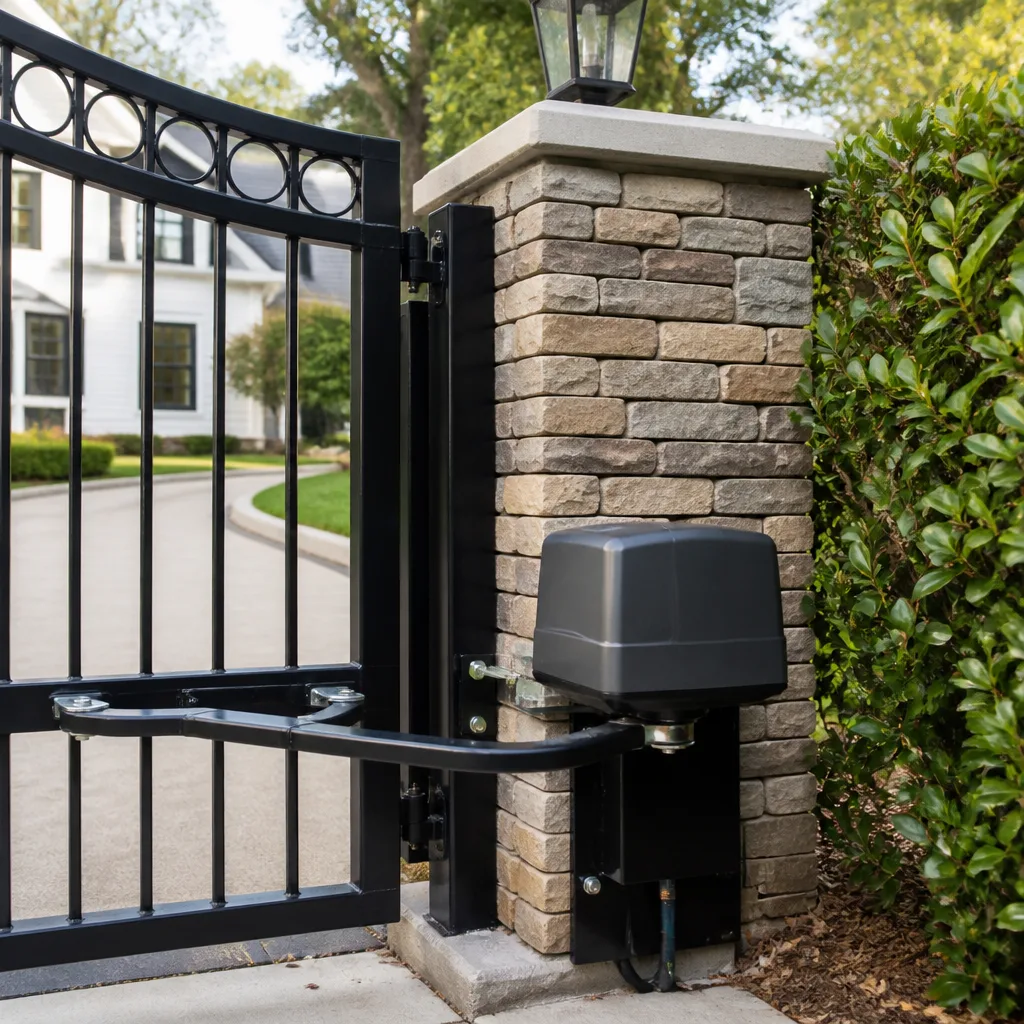
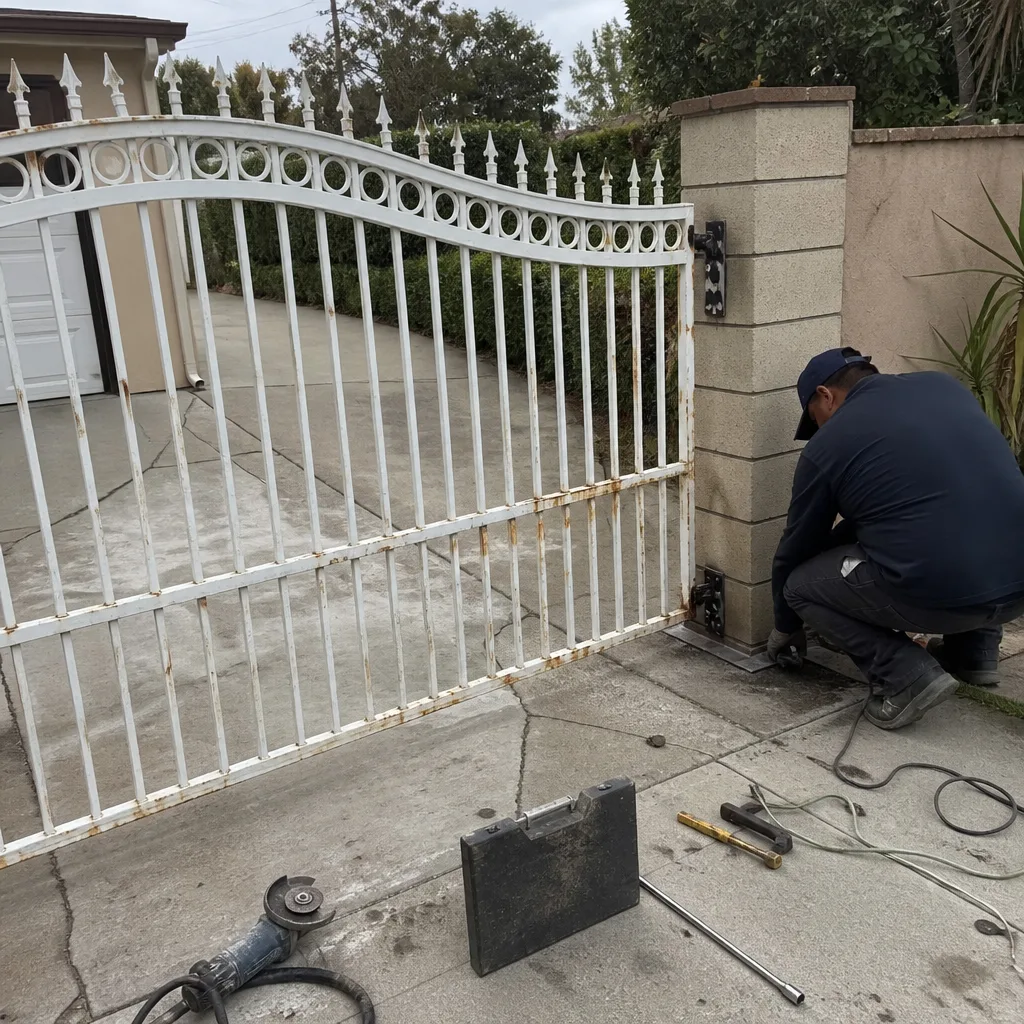 Before
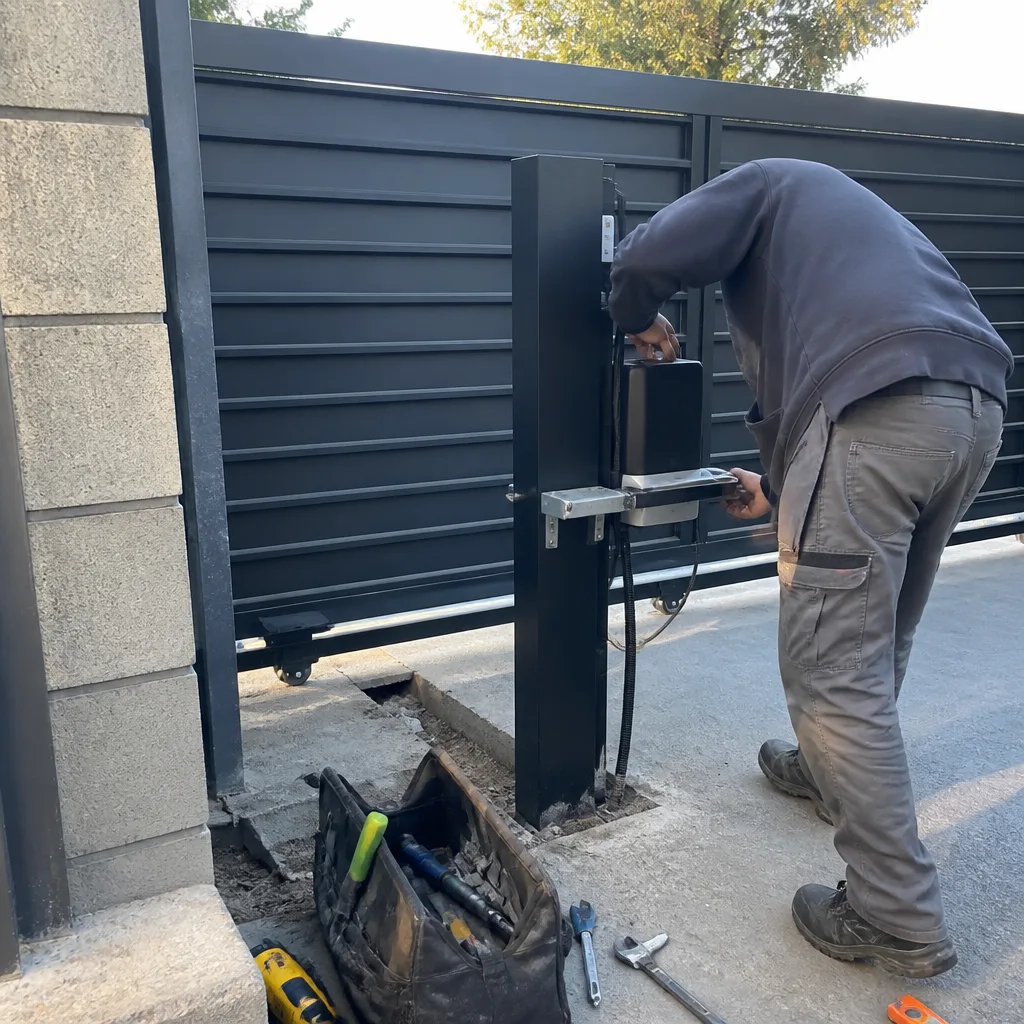 After
After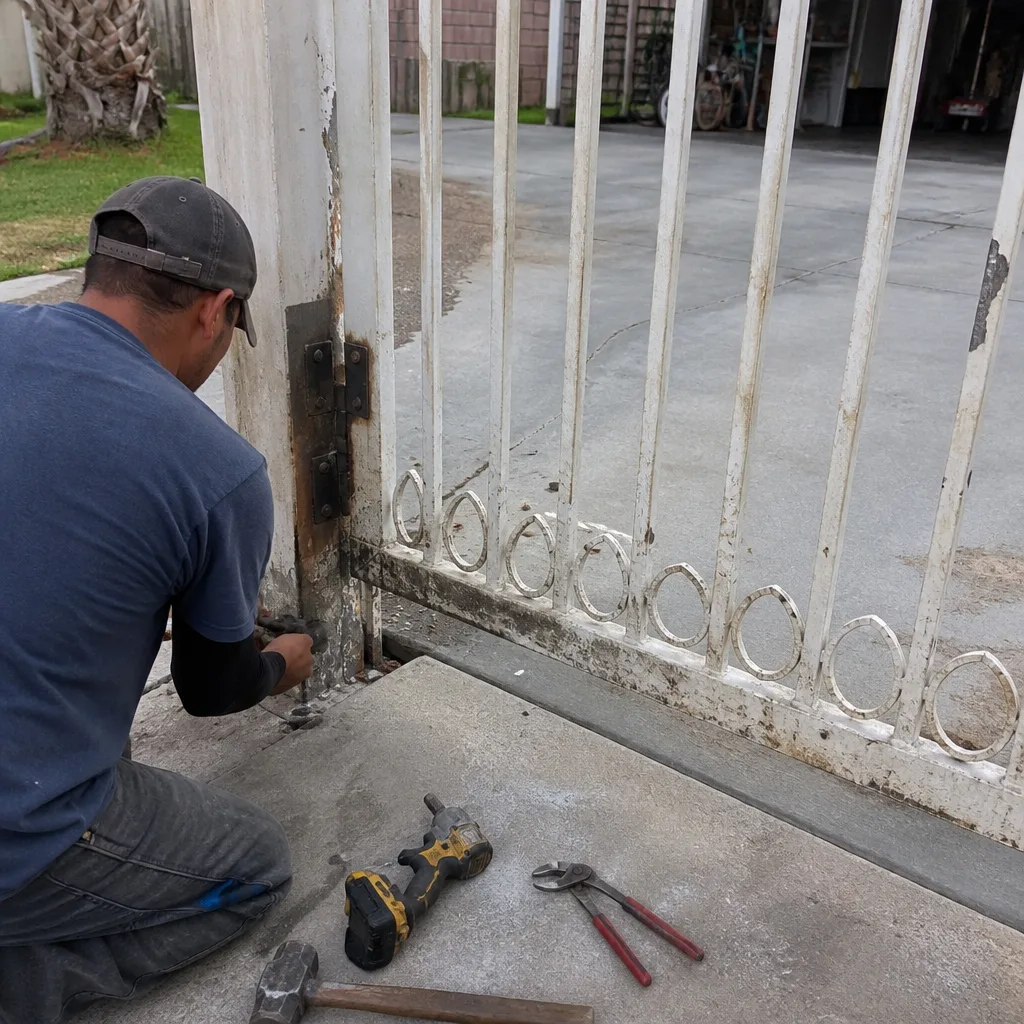 Before
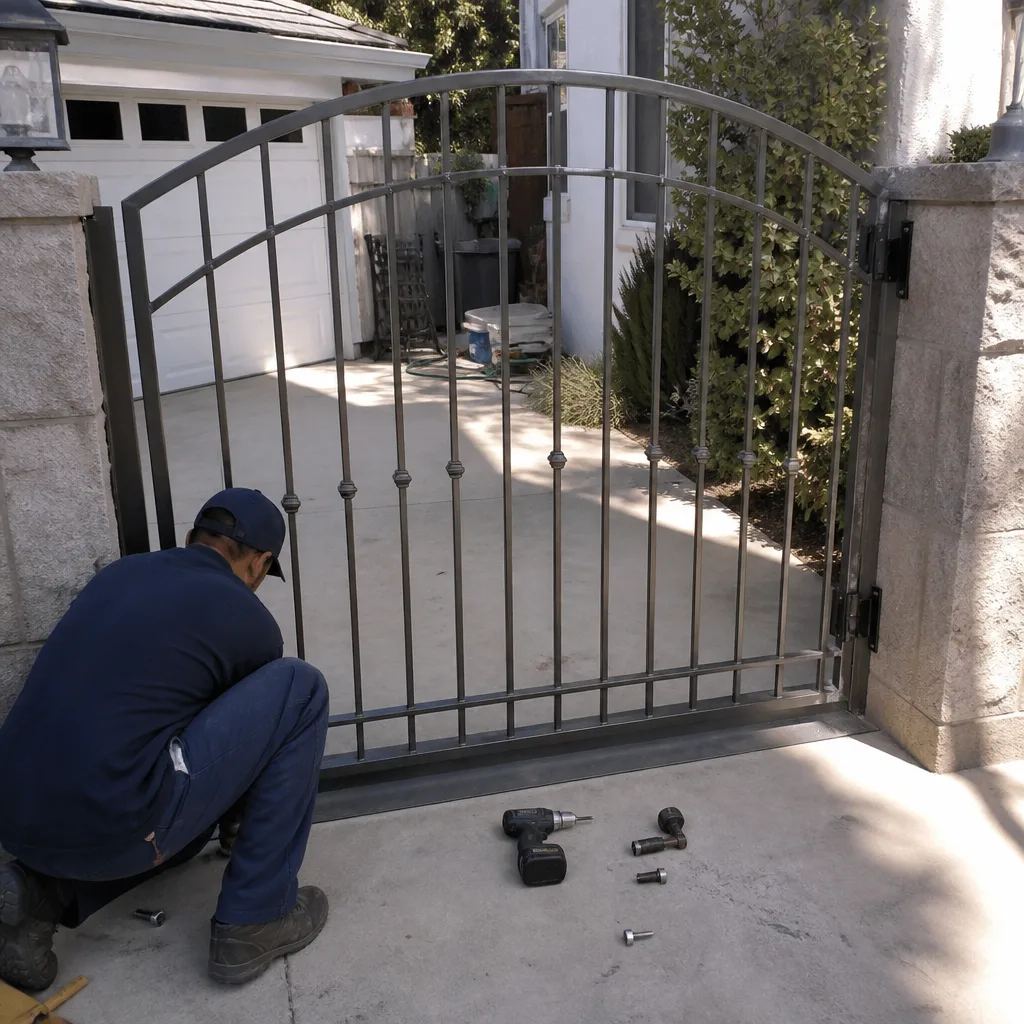 After
After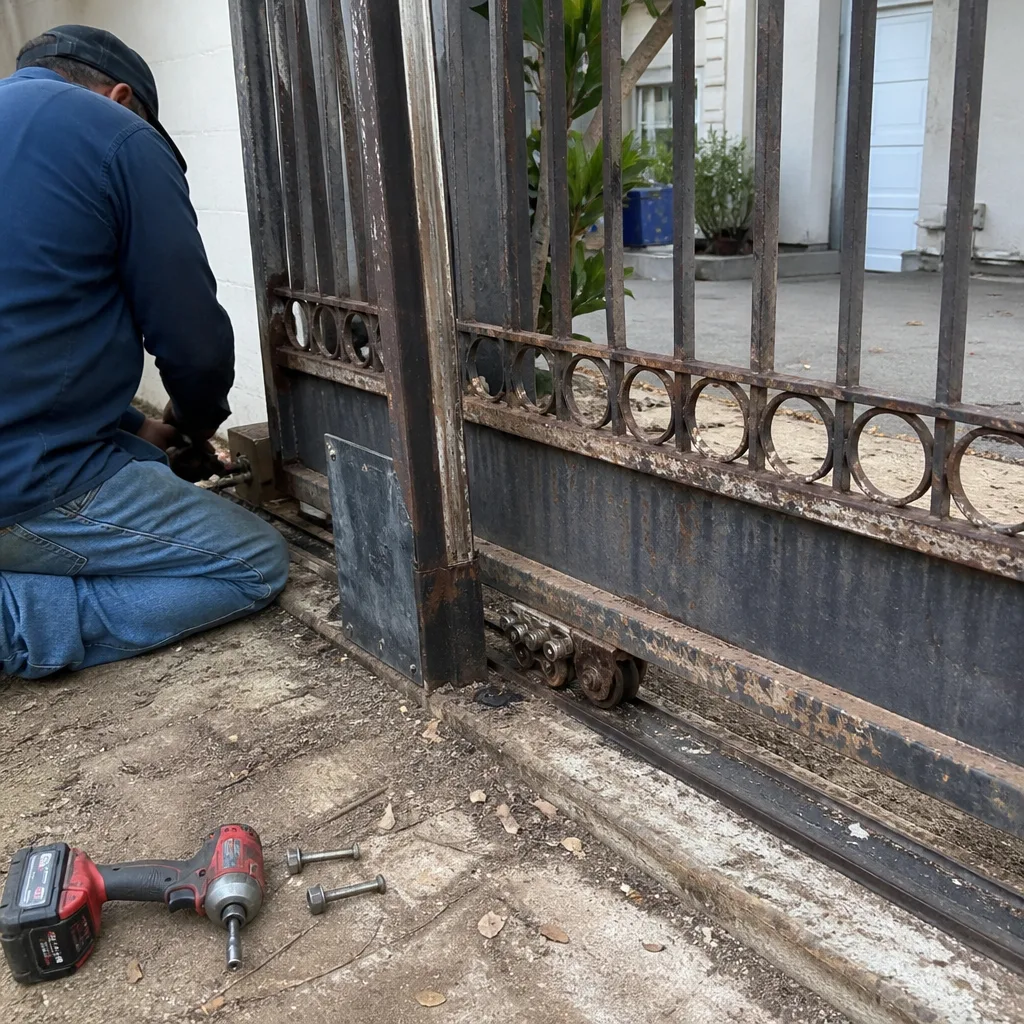 Before
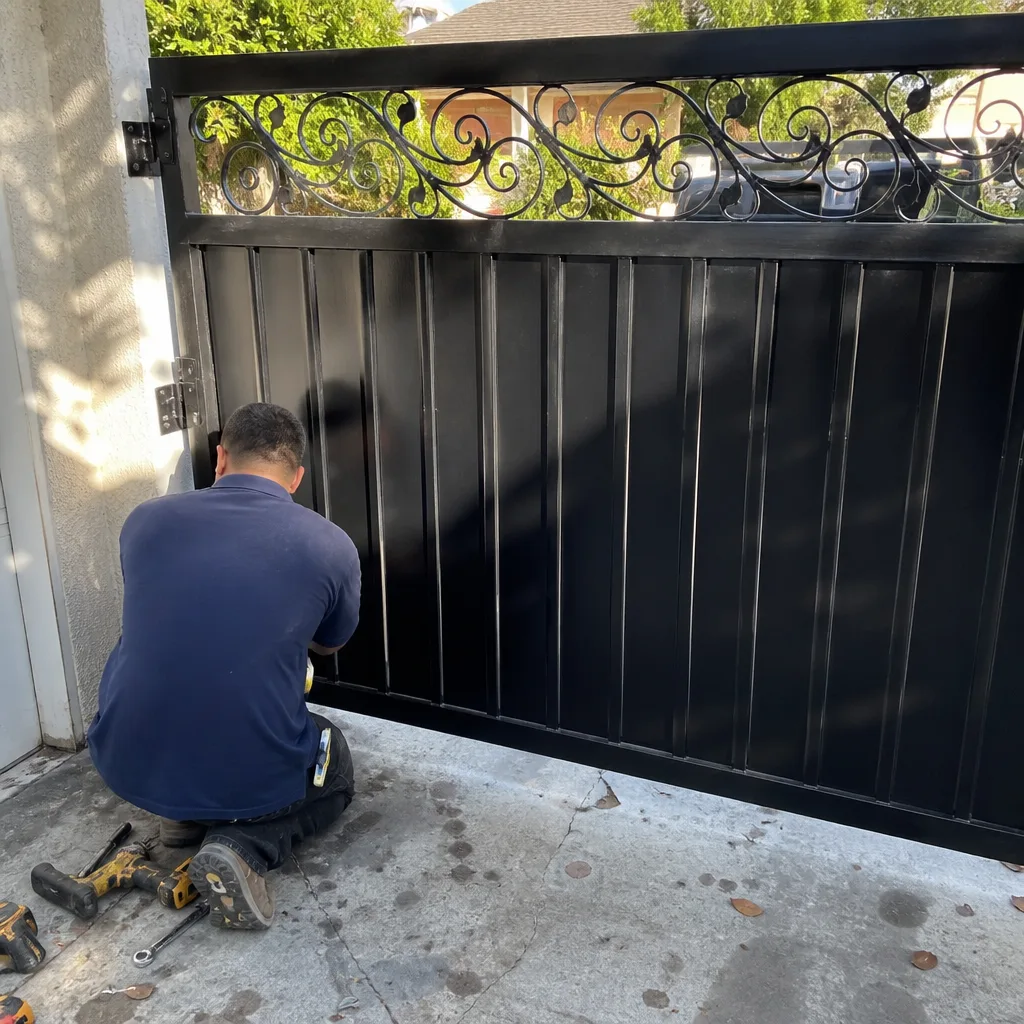 After
AfterGate Repair Permits, Codes & Inspections in CA: What You Need to Know
A gate contractor who tells you “we never pull permits for gate work” is technically right about minor repairs and completely wrong about motor replacements, new operator installations, and any work touching entrapment protection. Those categories matter in California, and the line between them is where homeowners get burned. When the time comes to sell the house, the seller’s disclosure asks a question you can’t bluff your way past. This guide draws that line clearly, section by section, so you can skip permits you don’t need and absolutely not skip the ones you do. If you’re a homeowner in Canoga Park weighing whether to fix the gate yourself or call our Gate Repair services, this is the reference to read first.
Quick Answer
In California, minor gate repairs like replacing hinges, wheels, or a keypad typically require no permit. Permit requirements kick in when you install a new automatic gate operator, replace a motor on an existing automated gate, or add entrapment sensors to a gate that never had them. Structural post replacement and new gate installations generally require a building permit through your city, often LADBS in Los Angeles. The relevant safety standard is UL 325, which mandates specific entrapment protection components that a city inspector will check before signing off.
Table of Contents
- The California Permit Landscape for Gate Work
- UL 325 Entrapment Protection: What the Standard Actually Requires
- Work That Needs No Permit in California
- Work That Definitively Requires a Permit
- How to Verify a Contractor Pulled the Permit They Said They Pulled
- The Liability Consequence of Unpermitted Gate Work When You Sell
- What a City Inspector Actually Checks on a Gate Installation
- How to Prepare for the Inspection Without Surprises
BeforeAfterThe California Permit Landscape for Gate Work
California building code enforcement is local, not statewide. The state adopts the California Building Standards Code (Title 24), but each city and county enforces it through its own building department. For Canoga Park, that means the Los Angeles Department of Building and Safety, or LADBS. The rules in Los Angeles County don’t automatically match what a contractor in Ventura or Orange County tells you, which is why you should never accept permit advice from someone who works outside your specific jurisdiction.
The gate permit question splits into three buckets. First, there’s structural work: posts, footings, the gate frame itself, and anything bolted into concrete or masonry. Second, there’s electrical work: running power to a gate operator, wiring a keypad, installing a loop detector. Third, there’s automation: the motor, control board, photo-eyes, edge sensors, and all the safety components that UL 325 governs. Each bucket has its own permit trigger.
Here’s what most homeowners don’t realize: the gate itself can be exempt, but the operator is not. A manual driveway gate, even a large swinging steel one, may fly under the radar for building code purposes as long as the posts are sound and the installation doesn’t change a fire access path. Add a motor to that same gate, and you’ve entered the California Electrical Code and the UL 325 compliance world, where the liability exposure jumps considerably.
UL 325 Entrapment Protection: What the Standard Actually Requires
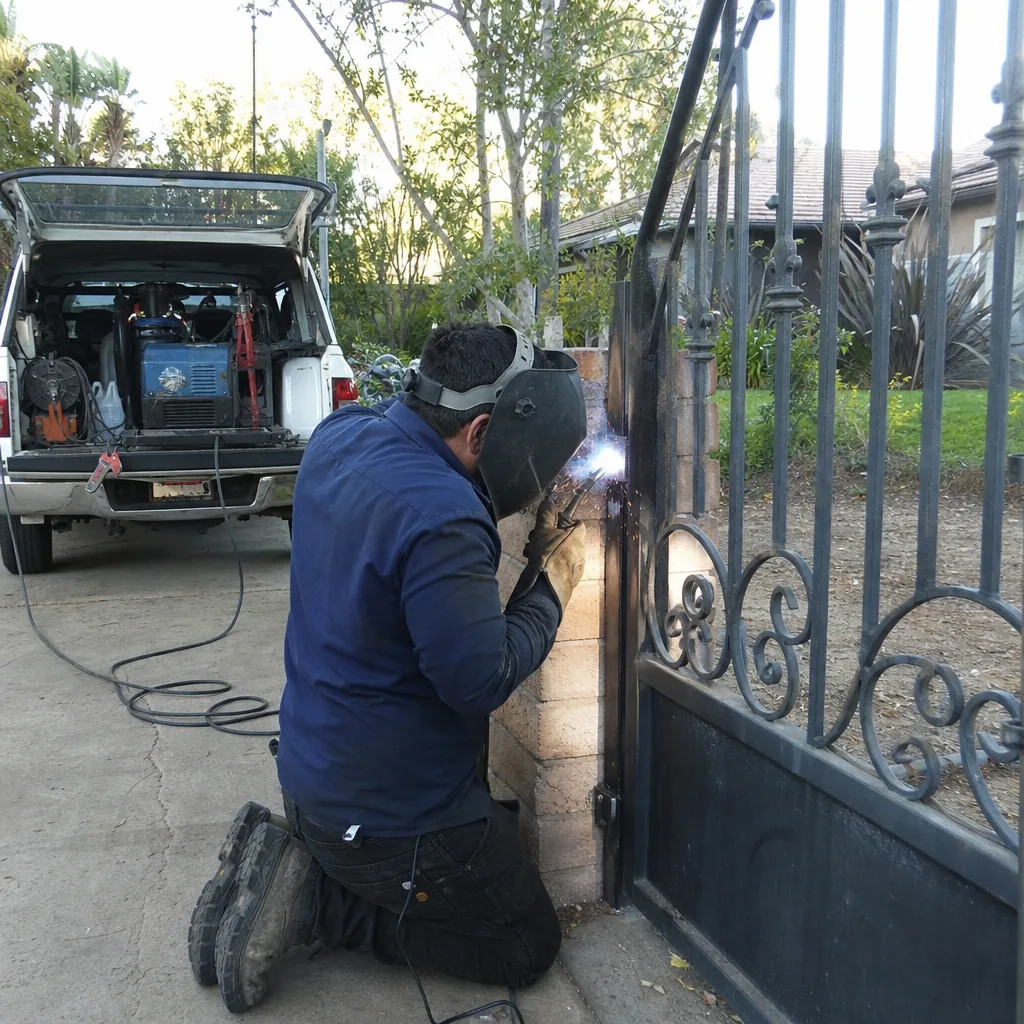
UL 325 is the ANSI/UL standard for automatic gate operators. It exists because gates kill people. Most deaths occur when a gate closes or opens against a person and the force isn’t reversed quickly enough. The standard is federal in effect: any automatic gate operator installed in the United States must comply with UL 325, and the gate installer is the party responsible for that compliance.
A compliant automatic gate installation includes more than a motor bolted to a post. It includes entrapment protection devices on both sides of the gate’s travel path. For a swing gate, that means two photo-eyes minimum, often one across the opening and one across the closer path. For a slide gate, it means photo-eyes plus a contact edge along the leading and trailing edges. Each device must be tested for the specific operator and the specific gate, and the test results should be documented.
What does a non-compliant shortcut look like? We see it in Canoga Park regularly. A motor is installed with no photo-eyes at all, or with photo-eyes wired but never aligned. A control board is set to its factory default force, which is often too high for an older mechanical gate that has picked up bearing friction. A contact edge is zip-tied rather than mounted with the proper channel. The gate still opens and closes. The homeowner assumes it’s fine. The next technician, or worse, the next accident, reveals it wasn’t.
UL 325 also drives a requirement most homeowners don’t anticipate: when an operator is replaced, the entire opening should be brought up to current standard, even if the old installation wasn’t. That’s where “like-for-like motor swap” and “new installation” collide. You can keep the gate. You can often keep the wiring. You cannot keep a non-compliant safety setup and call it a repair.
Work That Needs No Permit in California
Let’s start with what doesn’t require a permit, because that’s what most people fear first. Under Los Angeles building regulations, minor repair and maintenance of existing equipment is broadly exempt.
No permit needed:
- Replacing a manual hinge, wheel, roller, or bracket on an existing gate
- Welding a cracked joint on a gate that isn’t being structurally altered
- Replacing a keypad, remote receiver, or loop detector on an existing automated gate, as long as no new conduit or wire run is added
- Adjusting limit switches, force settings, or closing speed on an existing operator
- Replacing a photo-eye or contact edge with the same type of device
- Lubrication, rust treatment, and routine gate service
- Replacing a gate opener battery or backup battery
Notice the pattern. The exemption covers like-for-like replacement and adjustment. You’re restoring the gate to its designed condition, not changing its configuration. In Canoga Park, where gates see direct sun, desert wind, and occasional hard rain all in one season, we do a lot of limit-switch adjustments and photo-eye realignments that need no permit and no inspection.
The gray area worth noting: some cities in Los Angeles County interpret “minor repair” strictly. A gate post that has rotted at its base and needs re-setting in new concrete is structural, not minor. Even though the gate still looks like a gate, the footing work is a new installation in the eyes of an inspector. When in doubt, a call to LADBS for their current interpretive guidance takes ten minutes and removes ambiguity.
Work That Definitively Requires a Permit
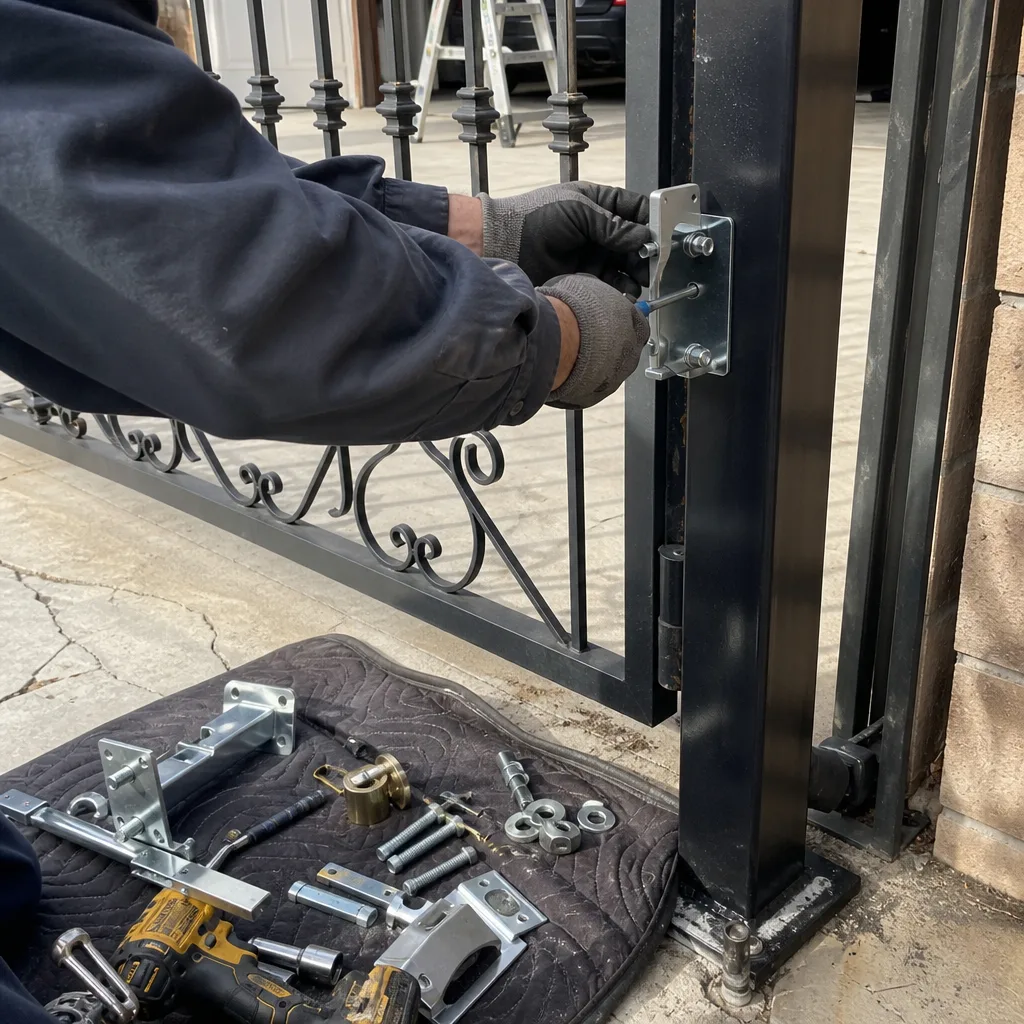
Here is where the line gets hard. The following categories require a permit in Canoga Park and throughout Los Angeles County:
- New automatic gate operator installation. If the gate had no motor before and you’re adding one, this is an electrical installation that requires a permit. You’re adding a circuit, a motor, and safety devices. Your installer must be licensed for electrical work or working under a licensed contractor.
- Replacement of an existing gate operator motor. This surprises people. The motor itself, even on a “like-for-like” basis, is classified as a significant electrical change. It changes the force profile of the gate, requires new entrapment testing, and LADBS treats it as something an inspector should see.
- Adding entrapment sensors to a gate that never had them. If you’re bringing an older gate up to UL 325, you’re adding wiring and devices to an existing circuit. The city treats this as modified electrical work.
- Structural post work or new gate installation. Setting new posts in concrete, replacing a foundation pad, or installing an entirely new gate on new footings is a building permit item. The inspector will check post depth, footing size, and attachment hardware.
- Running new electrical conduit or wire to a gate. Any new underground or overhead conductor run is covered by the California Electrical Code and needs a permit.
Most gate companies we’ve observed in the Canoga Park area will tell you they’ll handle permits “if needed” and then never mention them again unless the homeowner asks, so How to Hire a Gate Repair Contractor in Canoga Park: A Step-by-Step Guide is worth reading before you sign. The correct approach is to ask, in writing, whether the work you’ve been quoted requires a permit and, if so, whose name goes on the application. If a company hedges, that’s a signal.
How to Verify a Contractor Pulled the Permit They Said They Pulled
Contractors sometimes say they pulled a permit when they didn’t. You can verify in ten minutes if you know where to look. The Los Angeles Department of Building and Safety maintains an online permit search portal.
Step-by-step for LADBS verification:
- Go to the LADBS website and select “Online Permits” or “Search Building Records.”
- Enter your property address in Canoga Park.
- Look for a permit with a recent issue date matching the gate work.
- Check the permit type: it should say “Electrical” for operator work or “Building” for structural work.
- Confirm the contractor’s name on the application matches the company you hired.
- When the work is done, the record should show an inspection status of “Approved” or “Finaled.”
An approved inspection record means an LADBS inspector visited the property, looked at the work, and signed off. If the contractor claims the permit is “in process” for more than a few weeks, check the portal again. The city doesn’t forget. A permit that never closes stays open on the property record, and it will show up when you sell or refinance.
In Canoga Park, we’ve walked onto jobs where the previous contractor said permits were handled, and the LADBS record showed nothing. The homeowner hadn’t lost any money on the gate repair itself, but they had an unpermitted operator on a property they might sell in two years. That’s a fixable problem, but it’s far easier to verify upfront than to remedy later.
The Liability Consequence of Unpermitted Gate Work When You Sell
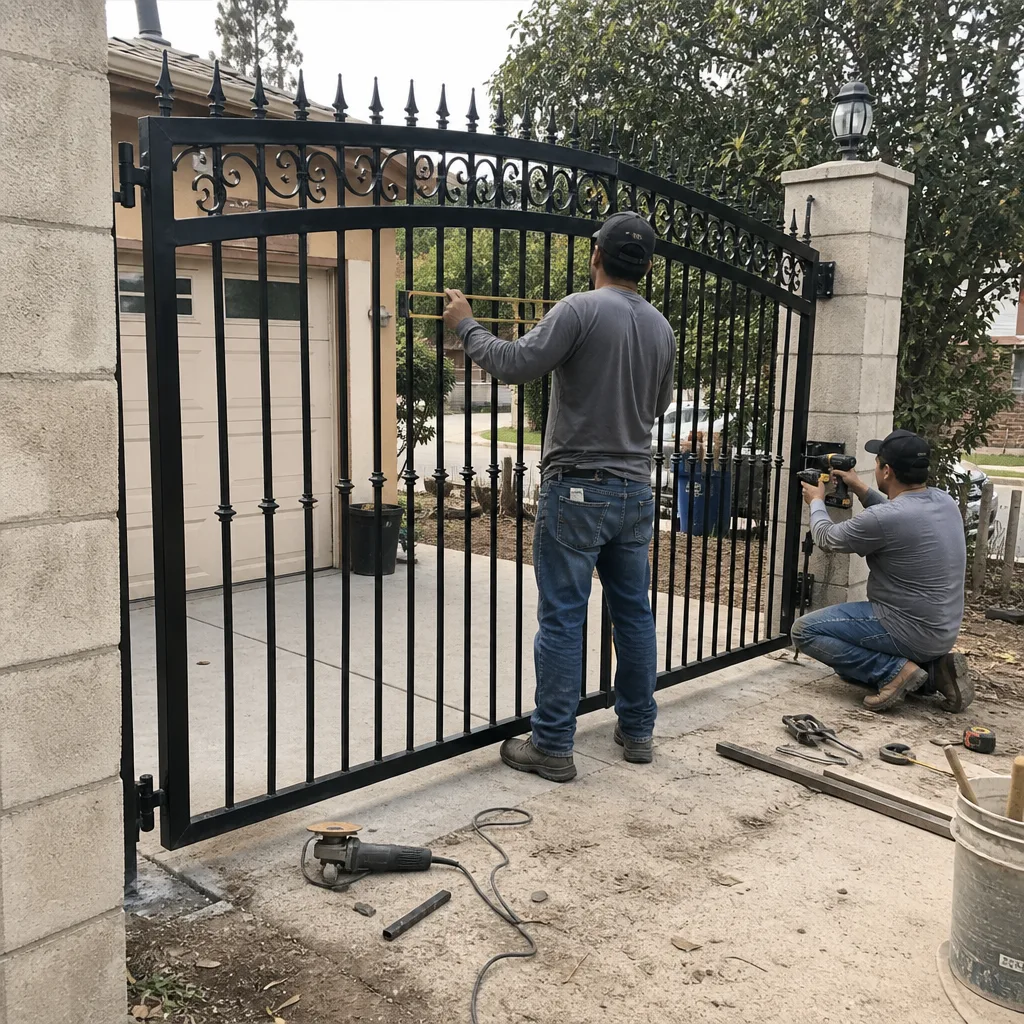
Unpermitted gate work becomes a problem the day you list your house. The California Residential Purchase Agreement includes a seller disclosure section where you certify whether any work was done without required permits. If you know an automated gate was installed without a permit, and you don’t disclose it, you’ve created a defect the buyer can pursue after close.
The liability chain works like this:
- A buyer buys your Canoga Park house with an automatic gate installed without a permit.
- The buyer’s inspector or a subsequent gate technician notes the absence of photo-eyes or a non-compliant force setting.
- A child or pet is injured. The buyer’s attorney asks who installed the gate. The answer leads back to you.
- Your homeowner’s insurance policy likely contains exclusions for work performed without required permits and for injuries arising from unpermitted improvements.
Title insurance doesn’t cover this. A standard title policy protects against defects in the chain of title, not defects in the gate. The exposure is yours: the cost of retrofitting the gate to compliance, the cost of the permit and inspection, and the cost of defending a negligence claim if one arises.
This is the part nobody talks about at the estimate stage. A gate operator installed without a permit can function perfectly for years. The liability attaches silently. The fix isn’t always catastrophic: in many cases, a retroactive permit can be pulled, the safety devices added, and the city inspection passed. But that fix costs more than the original permit would have, and it’s often triggered by a deadline: the buyer’s contingency period or the insurance renewal date.
What a City Inspector Actually Checks on a Gate Installation
Inspectors in Los Angeles County are overworked and under no obligation to explain the code to you. Knowing what they’ll look at means no surprises on inspection day.
For an automatic gate operator, the LADBS inspector checks:
- Entrapment protection devices present and wired: photo-eyes, contact edges, or both, depending on gate type
- Force setting on the control board: the gate must reverse on contact with a rigid object within the limits set by UL 325
- Warning signs posted on both sides of the gate where pedestrians might pass
- Electrical work: proper junction boxes, no exposed splices, conduit run to code
- Operator mounted securely to its pad or post, with bolts torqued and anti-rotation hardware in place
- Manual disconnect working: the gate must be able to be opened by hand in case of power failure
- Gate travel: no binding, no excessive speed, proper limits set so the gate doesn’t slam into its end stops
For a structural gate or post replacement, the inspector checks footing depth, concrete coverage, post plumb, and hardware size. A gate post in Canoga Park’s sandy soil typically needs to be set deeper than the same post in compacted clay. If the footing is shallower than the plan, the inspector will fail it and require re-pour.
The lesson from years of watching these inspections: the safety devices fail more often than the gate itself. A photo-eye misaligned by two inches is an automatic correction notice. An edge sensor that doesn’t register pressure across its entire length is a fail. The inspector isn’t looking for dust on the control board; they’re looking for the things that kill people.
How to Prepare for the Inspection Without Surprises
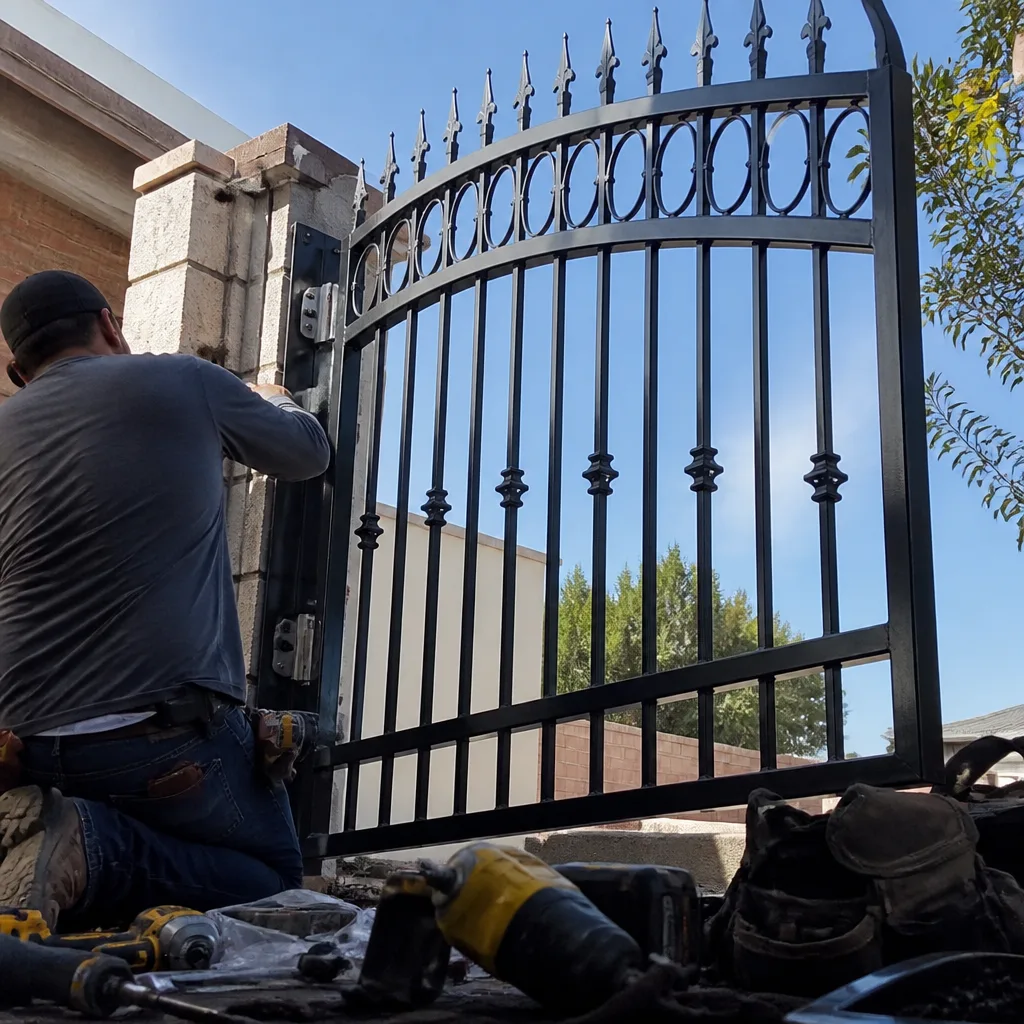
Preparation is mostly documentation and a quick functional test. Here’s the sequence we recommend for Canoga Park homeowners:
- Verify the permit record is active on the LADBS portal before the inspector arrival date.
- Test every entrapment device with the actual gate in motion. Block the photo-eye with a cardboard box. The gate should stop and reverse. If it doesn’t, fix it before the inspector sees it.
- Run the gate through ten full open-close cycles. Listen for binding, grinding, or changes in speed.
- Check the manual release. It should operate without tools in under a minute.
- Photograph the control board wiring, the serial number of the operator, and the placement of each photo-eye. This is your documentation record if the inspector has questions.
- Have the contractor’s license number and permit number written down for the inspector.
- Be present for the inspection. You don’t need to leave. You can walk along and hear what the inspector says directly.
If the inspector finds a correction, it’s usually a one-line item: replace a missing warning sign, adjust a force setting, add a photo-eye. The re-inspection is typically a quick visit. In our experience in Canoga Park, the failure rate on first inspections drops enormously when the homeowner does the functional test in step two before the inspector ever arrives.
Common Mistakes to Avoid
- Accepting “we never pull permits for gate work” as complete legal advice. The statement is only true for minor repair categories. For a motor replacement or new operator, it leaves you with an unpermitted installation and the disclosure problem it creates at sale.
- Installing a new operator on an old gate without upgrading entrapment protection. The old gate may have operated for years without photo-eyes. The moment you install a new motor, that gate must meet current UL 325. There’s no grandfathering.
- Skipping the LADBS verification step and trusting a verbal assurance. The online portal takes minutes. A contractor who says the permit is pulled should have no problem with you checking. If they resist, that’s information too.
- Treating a post replacement as “minor repair.” Once concrete comes out of the ground, it’s structural. The cost difference between a quick post reset and a permitted, inspected footing replacement is real, but the unpermitted shortcut transfers as a defect when you sell.
- Judging gate safety by how the gate looks when it runs. A gate that opens smoothly can still have an over-force setting that won’t reverse on contact with a child. UL 325 compliance is measured, not eyeballed.
- Not keeping your own photo record of the work. If a dispute arises, the person with documentation wins. Take photos of the operator serial tag, the control board, and each safety device.
When to Call a Professional
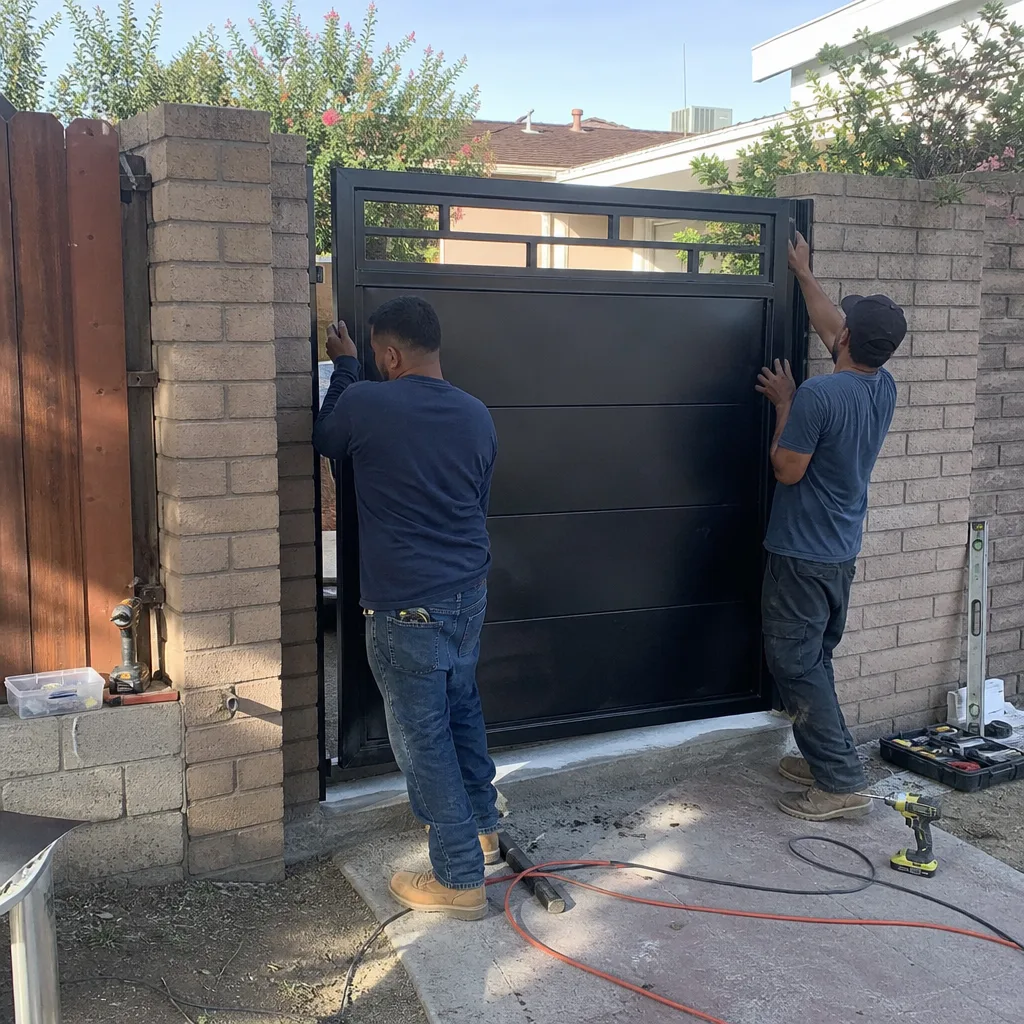
You should call a gate professional, not a general handyman, in these situations: any work involving an automatic operator, from motor replacement to adding photo-eyes to rewiring a control board; any structural post or footing work, where the gate’s weight and the soil conditions in Canoga Park make DIY installation genuinely dangerous if the post shifts; and any situation where you’re not certain whether a permit applies, because the cost of being wrong shows up later at inspection or sale. A specialist can tell you in one visit whether you’re looking at exempt maintenance or permit-required work. Gate Repair in Canoga Park is our core service, covering everything from photo-eye realignment to full operator compliance work. Vance Gate Repair Canoga Park offers free estimates in Canoga Park, and a written price is provided before any work begins. Call (805) 210-8672 to have a named technician dispatch to your gate.
Frequently Asked Questions
Yes, in Los Angeles County a gate opener motor replacement requires an electrical permit, even if the motor is the same brand and model. The city treats it as a significant electrical change that warrants inspection, particularly because UL 325 compliance must be re-verified on the specific gate it powers.
An electrical permit for a single gate operator in Los Angeles typically runs between $150 and $400 depending on the scope and the current LADBS fee schedule. Structural permits for new gates or post footings run higher. Call (805) 210-8672 for a written estimate that includes permit fees as a separate line item, so you see exactly what the city is charging.
No. A driveway gate is still subject to the same permit and UL 325 requirements as any other automatic gate. The fact that it’s on private residential property doesn’t exempt it. Driveway gates actually draw more inspector scrutiny because they’re the most common site of entrapment incidents.
You inherit the problem. The unpermitted work becomes your disclosure issue when you sell, and your insurance policy may exclude claims arising from it. The practical fix is to pull a retroactive permit, upgrade the safety devices to UL 325 compliance, and pass a city inspection before the gate causes a problem.
Some do, some don’t, and the difference matters. A company that handles permits in-house will list the permit fee on your written estimate and name the responsible license holder. If a company says you have to pull the permit yourself, that should be a red flag about how much of the liability they’re actually taking. At Gate Motor & Opener in Canoga Park, the permit question is answered on paper before work starts.
UL 325 is a product safety standard that governs the entrapment protection features an automatic gate operator must have. California Building Code is the state’s adoption of construction and electrical regulations that local jurisdictions enforce. They work together: the city issues the permit, and UL 325 defines what a compliant installation looks like once the work is done. Both matter on a gate job, and neither is optional.
The Bottom Line
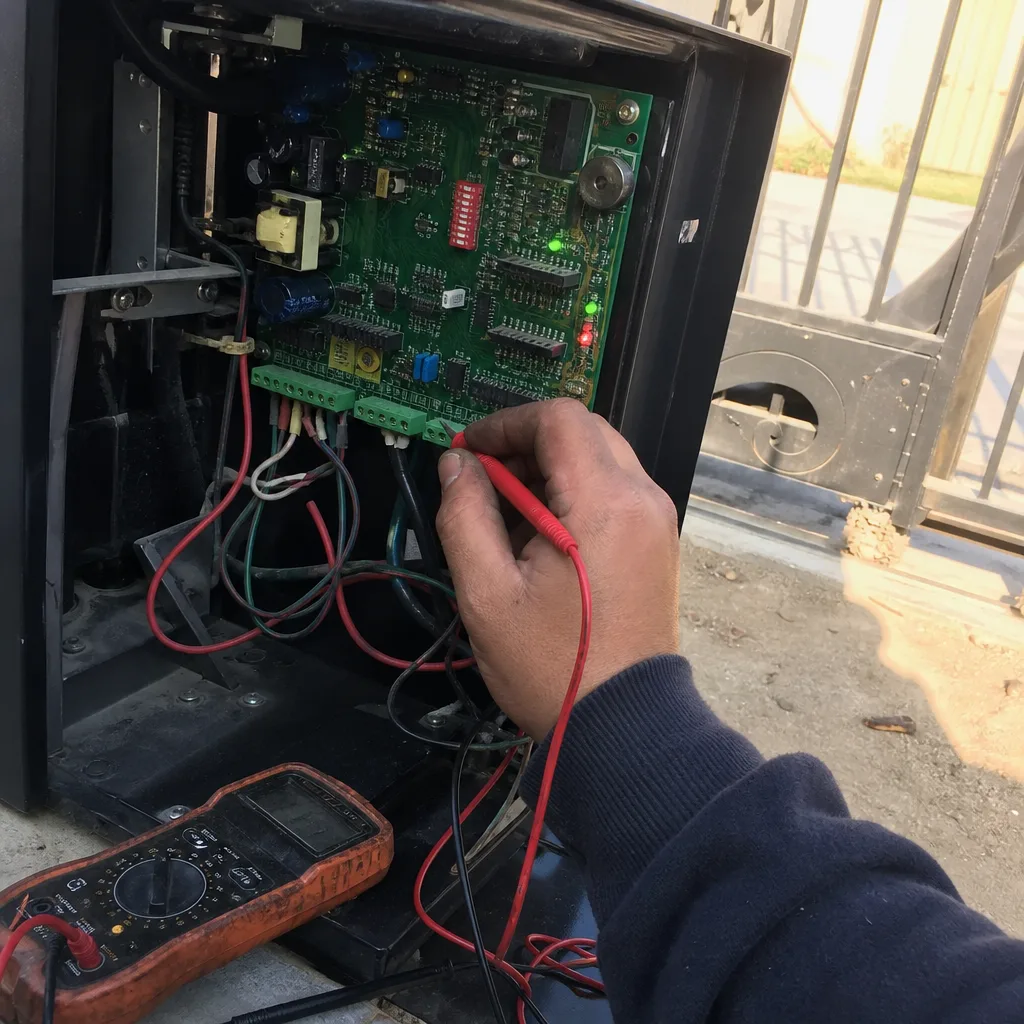
California’s gate permitting rules reward the homeowner who knows the line between like-for-like repair and scope-changing work. Hinges, keypads, and limit adjustments need no permit. Motors, operators, and any touch of entrapment protection do. UL 325 is the standard an inspector will check, and the LADBS portal is where you confirm the permit actually exists. In Canoga Park, where gates are a front-line security feature and a curb-appeal statement, the documented, permitted installation is also the one that won’t cost you at resale. The entire point of pulling a permit is that someone signs off on the work other than the person who got paid to do it. That’s a good trade, not a bureaucratic one. If you’re weighing your options, Gate Installation in Canoga Park is our service page for new work, and our Vance Gate Repair Canoga Park home page covers the full range of what we inspect and repair.
Written by Adrian Vance, Owner at Vance Gate Repair Canoga Park, serving Canoga Park since 2014. For more guides & resources, visit our blog.